The first service reminder tends to arrive sooner than expected: a light on the dash, a text from the dealership, or the sticker on the windscreen ticking over. It's a good moment. A scheduled service is the car's regular check-up, and a dealership service department sees your make and model every day.
A little planning turns it into an easy morning. Book to the right schedule, know what the visit involves, ask a few questions up front and keep the paperwork together, and every service adds to a record that stays with the car for life.
Logbook servicing, explained
Every new car comes with a manufacturer's service schedule, set out in the logbook or owner's handbook, or in a digital service record on many newer models. It lists the service intervals, measured in both time and kilometres, and what's done at each one. "Logbook servicing" simply means servicing the car to that schedule.
Warranty terms are part of the picture. The ACCC's fact sheet for new car buyers notes that a manufacturer's warranty comes with conditions, and its motor vehicle publication says a warranty against defects may require servicing to be carried out by qualified staff, according to the manufacturer's specification, using appropriate quality parts where required. Your warranty booklet sets out the exact conditions for your car, and the service department can talk you through them.
Working to the manufacturer's specification is everyday business for a franchised dealership workshop. Its technicians work on the brand's models day in, day out, and the schedule for your car is the one they follow.
What happens at a scheduled service
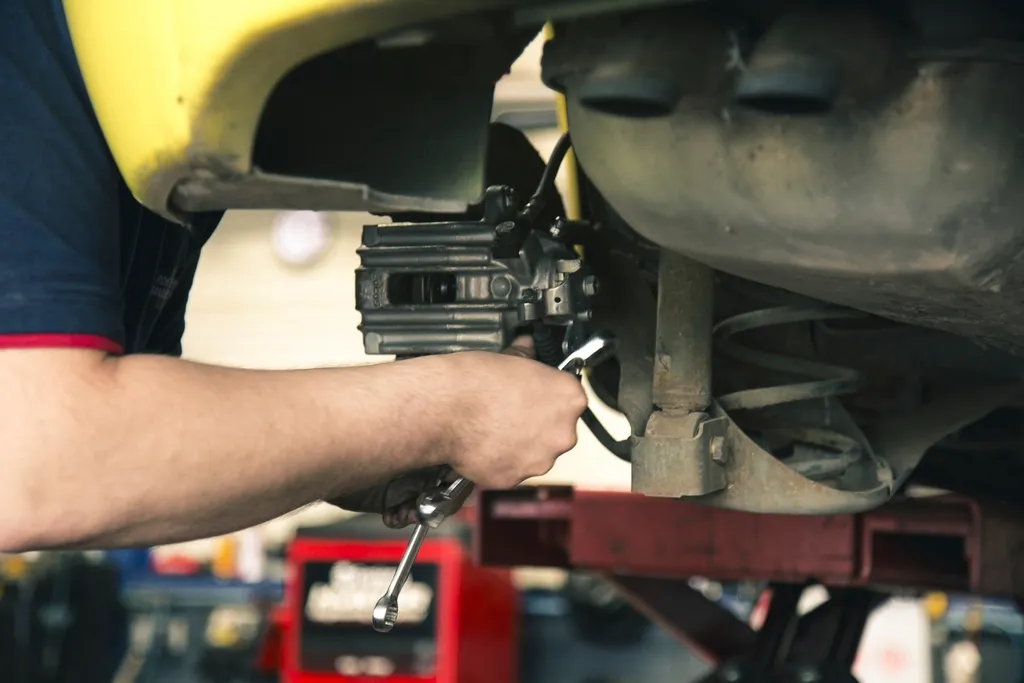
Each service on the schedule has its own task list, and it changes as the kilometres climb. Some visits centre on an oil and filter change with a thorough inspection. Others add items such as brake fluid, spark plugs, coolant or a cabin air filter, depending on the model and where it sits in the schedule.
Most services also include a multi-point inspection. Tyres, brakes, lights, wipers, suspension, fluid levels and the battery are checked, and the technician notes anything that's wearing and roughly when it may need attention.
Electric cars have a schedule too. There's no engine oil to change, but items such as tyres, brakes, suspension and cabin filters are still inspected at set intervals, so the same booking routine applies.
When you collect the car, the service adviser can walk you through what was done and anything flagged for next time. That conversation is one of the real benefits of regular servicing: small things get spotted early, and you know what's coming up.
Recalls, sorted while the car is in
Safety recalls are a normal part of car ownership. The federal government's vehicle recalls website says you'll likely hear about a recall from the place you bought the car, or from the supplier or manufacturer by phone, email, post or text message. The recall notice explains what to do, and in most cases that involves returning the vehicle to the manufacturer to have the safety issue addressed.
That makes a service booking a convenient time to tidy up any open recall. Ask the dealership to check your VIN for open recalls when you book, and whether any recall work can be done during the same visit. You can also search current recall notices yourself at vehiclerecalls.gov.au.
The ACCC describes the purpose of a recall as preventing injury by removing the hazard and offering affected consumers a remedy in the form of a repair, replacement or refund. Recalls operate separately from your consumer guarantees, which continue to apply alongside any recall remedy.
Keep the service record complete
Every service adds a page to the car's history. Ask for the logbook to be stamped or the digital record updated, and keep the itemised invoice, which lists the work done, the parts and fluids used and the odometer reading.
A complete record pays off in three ways. It shows the car has been maintained to the schedule, which keeps any warranty conversation simple. It gives the next technician the full picture. And it counts when the car is eventually sold: the ACCC lists service history among the details a dealer must describe honestly when selling a second-hand car, which shows how much weight buyers give it.
Every service adds a page to the car's history, and a complete record stays with the car for life.
A folder in the glovebox or a scanned copy on your phone does the job. If your brand uses a digital service record, ask the service adviser how to view it.
Loan cars, shuttles and express servicing
A service often means a day without the car, and dealerships have different ways of making that easier. Depending on the dealership, the options may include a loan car, a courtesy shuttle to work or the station, a customer lounge with wi-fi for shorter jobs, or pick-up and drop-off. What's on offer varies between dealerships and loan cars can be in demand, so ask about availability when you book.
Some dealerships also offer express servicing for routine scheduled services, designed to have the car back to you within a few hours, sometimes while you wait. Where it's available, ask whether your car's upcoming service qualifies, because the larger services on a schedule take longer. Early drop-off and after-hours key return are other handy options if your mornings are tight.
Your rights, quietly in the background
Servicing comes with consumer guarantees too. Under the Australian Consumer Law, the ACCC says a service must be provided with due care and skill, be fit for any particular purpose, and be provided within a reasonable time. If a problem ever comes up with the car itself, the ACCC says the dealer must assist and must not send you to the manufacturer for a remedy. It's part of what makes having your dealership look after the car such a straightforward arrangement.
The bottom line
A scheduled service is the simplest way to keep a car safe, reliable and running to the manufacturer's standard, and a dealership service department is set up for exactly that. Book to the logbook schedule, ask about recalls and convenience options when you call, and keep every record together. The car will be better for it, and so will its next owner.
Quick answers
What is logbook servicing?
Servicing a car to the manufacturer's schedule, at the time and kilometre intervals and with the tasks set out in the logbook or digital service record for that model.
Does my warranty have servicing conditions?
Manufacturer warranties come with conditions. The ACCC says a warranty against defects may require servicing by qualified staff, according to the manufacturer's specification and using appropriate quality parts where required. Your warranty booklet sets out the conditions for your car.
How do I find out if my car has a recall?
According to the federal government's vehicle recalls website, you'll usually hear from the place you bought the car, or from the supplier or manufacturer, by phone, email, post or text. You can also search vehiclerecalls.gov.au, or ask your dealership to check your VIN when you book a service.
Can I get a loan car while my car is serviced?
Some dealerships offer loan cars, courtesy shuttles, pick-up and drop-off or express servicing. What's available varies between dealerships, so ask when you book.
What paperwork is worth keeping after a service?
The stamped logbook or updated digital service record, plus the itemised invoice showing the work done, parts and fluids used and the odometer reading.
No advice. Information provided by CDR does not constitute advice in any form. Always seek independent advice before making a decision. Taxes, fees and consumer laws vary between states and territories and can change. A CDR feature is not an endorsement of any dealership.
Sources
- ACCC: Motor vehicle sales and repairs, Australian Consumer Law publication: https://www.accc.gov.au/system/files/1449_ACL%20Motor%20vehicle%20sales%20and%20repairs_FA_WEB.pdf
- ACCC: Just bought a new car? fact sheet: https://www.accc.gov.au/system/files/Just-bought-a-new-car.pdf
- ACCC: Warranties: https://www.accc.gov.au/consumers/buying-products-and-services/warranties
- ACCC: Consumer rights and guarantees: https://www.accc.gov.au/consumers/buying-products-and-services/consumer-rights-and-guarantees
- ACCC: New and second-hand cars: https://www.accc.gov.au/consumers/specific-products-and-activities/new-and-second-hand-cars
- Australian Government: vehicle recalls: https://www.vehiclerecalls.gov.au/
- Australian Government: owner's factsheet on vehicle recalls (August 2026): https://www.vehiclerecalls.gov.au/sites/default/files/documents/factsheet-owners-guide-to-vehicle-recalls-august2026.pdf