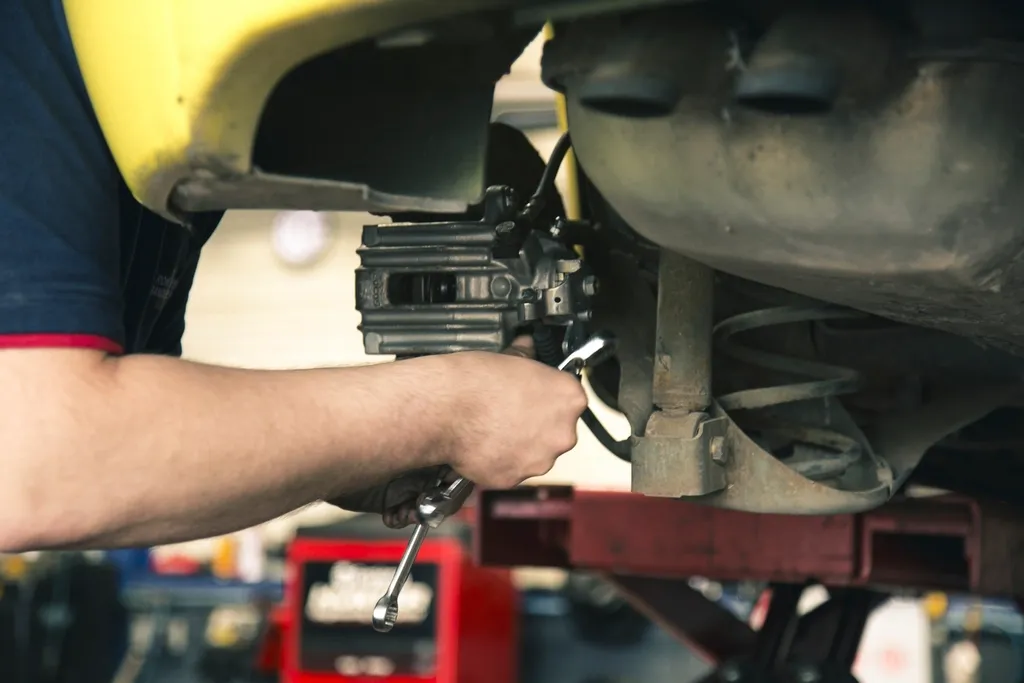
The car you signed for last week probably isn't sitting in the showroom waiting for you. It's more likely on a hoist in the workshop or in the wash bay, with a team you may never meet working through a list. By the time you arrive for the keys, the dealership has usually put hours into the car that you'll never see.
That work is called pre-delivery, and it's one of the quiet advantages of buying from a dealer. The NSW Government puts the basics simply: before you pick up your new car, the dealer "should inspect the car and go through its features with you". Here's what that preparation involves on a new or used car, where state law spells out specific steps, and the questions that let your dealer show you what's been done.
Why a car needs preparing at all
A new car may have travelled a long way by ship and truck to reach the dealership. It often arrives wearing protective film and transport packaging, ready for the journey rather than the road. A used car has a different history: it has had at least one owner, and the dealership's job is to bring it up to the standard it's being sold at. Either way, the car that rolls out on collection day is clean, checked, registered and ready to drive home.
The pre-delivery inspection on a new car
On a new car, the pre-delivery inspection, usually shortened to PDI, is a workshop check carried out by the dealership's technicians, typically against a checklist for that model. It generally covers fluid levels, tyre pressures, lights, the battery and a short road test, along with removing the transport protection.
This is also when the accessories in your deal go on. Floor mats, a tow bar, window tint or a roof rack are usually fitted and checked during preparation, so they're working when you arrive.
Then comes the detail, a full clean inside and out: the part you notice first, and the last step of a much longer job.
Getting a used car ready
A used car gets a deeper look. Dealerships commonly service it, replace worn items and detail it before it goes on sale, then give it a final check before handover.
Licensed dealers also take care of the protections that make buying from them a confident choice. In Queensland, buying a second-hand car from a licensed motor dealer comes with a guarantee of clear title, and eligible cars come with a statutory warranty at no extra cost. In Victoria, a licensed motor car trader must tell buyers if a car has been on the written-off vehicles register, so that history is out in the open before you sign.
Safety and roadworthy certificates
Some states set out roadworthiness steps the dealer completes before you take the car. Queensland and Victoria are two clear examples, and other states and territories have their own arrangements.
In Queensland, the state government lists a current safety certificate, or a certificate of inspection, among the things to expect when you buy a used vehicle from a licensed motor dealer. Only approved inspection stations can issue one, and the inspection covers basic safety standards including tyres, brakes, steering, suspension, body rust or damage, the windscreen and lights. For licensed motor dealers, a certificate is valid for 3 months or 1,000 km, whichever expires first.
In Victoria, a licensed motor car trader must give the buyer a current roadworthy certificate before they take possession of the car.
| State | What the dealer arranges | Official source |
|---|---|---|
| QLD | Current safety certificate on a used vehicle (3 months or 1,000 km for dealers) | Queensland Government |
| VIC | Current roadworthy certificate before you take the car; rego transfer lodged within 14 days | Consumer Affairs Victoria |
| NSW | Rego on a new vehicle, organised on your behalf | NSW Government |
Summary of published government information as at 6 October 2026. Check the linked official source before you rely on it.
The smoothest handovers are the ones where the hard work happened before you arrived.
Registration and plates
Registration is one of the jobs a dealer takes off your hands. In NSW, the government notes that when you buy a new vehicle, the dealer can organise the rego and register the vehicle on your behalf. If a motor dealer is registering a brand new light vehicle for you, an AUVIS inspection is not usually required.
On a used car in Victoria, the trader lodges the transfer of registration with VicRoads within 14 days of the sale, together with evidence of a current roadworthy certificate.
When the dealer arranges registration, the timing of your collection often follows it, so the car can be ready with its plates on. It's worth asking where registration is up to when you book your collection day.
Recall checks
Recalls happen when there is a safety issue that may cause an injury, or when a vehicle or its components don't comply with Australia's safety standards, according to the federal government's Vehicle Recalls website. In most circumstances, a recalled vehicle is repaired free of charge by the manufacturer or dealership.
Many manufacturers offer an online lookup where a Vehicle Identification Number (VIN) shows any outstanding recalls, and dealerships work with these systems every day. Whether your car has any open recalls, and whether the work is complete, is a simple pre-delivery question to ask. You can also enter the car's details yourself on the Vehicle Recalls website.
Handover: where the preparation shows
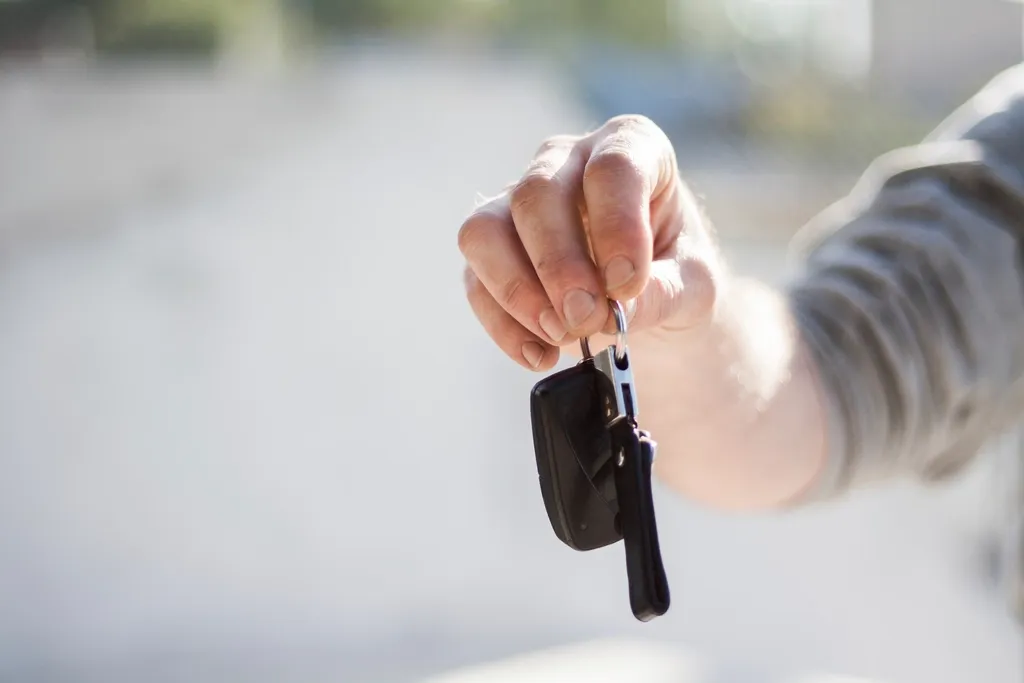
Everything above leads to the handover. The NSW Government lists what to expect to receive: all the keys, including those for the ignition, glove box, boot and alarm, plus the service books, owner's manual and logbook. A good salesperson will then walk you through the car's features and help pair your phone.
What you check on the day is covered in our delivery-day checklist. When a handover feels effortless, it's usually because the dealership has already done the work.
Your protection continues after you drive away, too. Under the Australian Consumer Law, the consumer guarantees apply to new and used cars bought from a dealer, and they can't be excluded.
The bottom line
Collecting a car takes an hour or so. Getting it ready takes far longer, mostly out of sight: the workshop check, the accessories, the certificates, the rego, the recall lookup and the final detail. Ask your dealer to talk you through what's been done, and you'll drive away knowing exactly how much care went into the car before it became yours.
Quick answers
What is a pre-delivery inspection?
It's the workshop check a dealership carries out before you collect a car. On a new car it typically covers fluids, tyre pressures, lights, the battery and a short road test, along with removing transport protection, fitting ordered accessories and a full clean.
Does a used car from a Queensland dealer come with a safety certificate?
The Queensland Government lists a current safety certificate, or a certificate of inspection, among the things to expect when you buy a used vehicle from a licensed motor dealer. For dealers, a certificate is valid for 3 months or 1,000 km, whichever comes first.
Will the dealer register my new car for me?
Often, yes. In NSW, the government notes the dealer can organise the rego and register a new vehicle on your behalf. In Victoria, a licensed motor car trader lodges a used car's registration transfer with VicRoads within 14 days of the sale.
Do I pay for recall repairs?
In most circumstances, no. The federal government's Vehicle Recalls website says a recalled vehicle is usually repaired free of charge by the manufacturer or dealership.
How is pre-delivery different from checking the car at handover?
Pre-delivery is the work the dealership does before you arrive. The handover is when the dealer shows you the car and you confirm together that everything is as agreed.
No advice. Information provided by CDR does not constitute advice in any form. Always seek independent advice before making a decision. Taxes, fees and consumer laws vary between states and territories and can change. A CDR feature is not an endorsement of any dealership.
Sources
- NSW Government: buying a new vehicle: https://www.nsw.gov.au/driving-boating-and-transport/buying-and-selling-vehicles/buying-a-new-vehicle
- NSW Government: registering a brand new light vehicle: https://www.nsw.gov.au/driving-boating-and-transport/driving-nsw/vehicle-registration/how-to-register/registering-a-brand-new-light-vehicle
- Queensland Government: buying a used vehicle: https://www.qld.gov.au/transport/buying/rules/used
- Queensland Government: safety certificates: https://www.qld.gov.au/transport/registration/roadworthy
- Queensland Government: buying from a licensed motor dealer: https://www.qld.gov.au/law/your-rights/consumer-rights-complaints-and-scams/buying-products-and-services/buying-products/buying-a-car/buying-a-used-car/buying-from-a-licensed-motor-dealer
- Consumer Affairs Victoria: motor car trader obligations for used car sales: https://www.consumer.vic.gov.au/licensing-and-registration/motor-car-traders/running-your-business/obligations-used-car-sales
- Australian Government Vehicle Recalls: check your vehicle: https://www.vehiclerecalls.gov.au/news/check-your-vehicle-you-travel
- ACCC: motor vehicle sales and repairs (Australian Consumer Law): https://www.accc.gov.au/system/files/1449_ACL%20Motor%20vehicle%20sales%20and%20repairs_FA_WEB.pdf